
This article was published in 2014 and updated in October 2026.
Acne is one of the most common skin conditions in the world. Most people get it at some point during their teenage years, but it can continue into adulthood or start later — especially in women. It usually appears on the face, chest, shoulders and back, where the skin has the most oil glands. Here is what causes acne, which common beliefs are myths and what you can do about it.
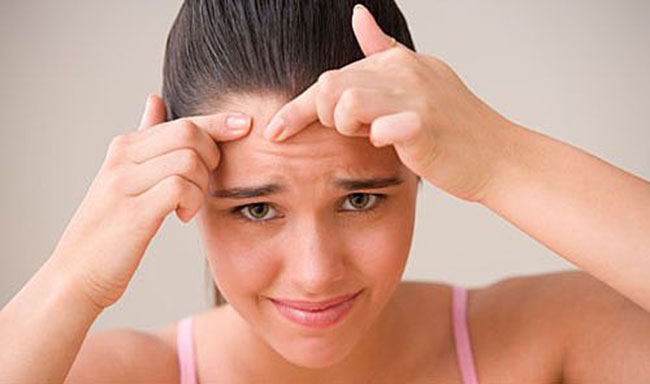
How acne develops
Acne starts in the hair follicles (pores) and their attached oil glands. Four things work together:
- Too much oil (sebum): during puberty, hormones called androgens — present in both boys and girls — make the oil glands larger and more active.
- Clogged pores: dead skin cells don’t shed properly and mix with the oil, plugging the follicle.
- Bacteria: bacteria that normally live on the skin (Cutibacterium acnes) multiply in the blocked pore. They don’t cause acne on their own, but they play an important role.
- Inflammation: the body reacts to the blockage and bacteria, causing redness, swelling and pain.
Types of acne
- Whiteheads: closed, clogged pores that look like small white or skin-coloured bumps.
- Blackheads: open, clogged pores. The dark color comes from oil and skin pigment reacting with air — not from dirt.
- Papules: small, red, tender bumps.
- Pustules: red bumps with pus at the top (what most people call pimples or zits).
- Nodules and cysts: large, painful lumps deep under the skin. These are the most likely to leave scars and should be treated by a doctor.
What causes or worsens acne?
- Hormones: puberty, the menstrual cycle, pregnancy and conditions such as polycystic ovary syndrome (PCOS) can trigger flare-ups.
- Genetics: if your parents had acne, you are more likely to get it too.
- Some medications: for example corticosteroids, lithium and certain anti-epileptic drugs. Never stop a prescribed medicine on your own — talk to your doctor.
- Cosmetics and hair products: greasy or pore-clogging products can make acne worse. Look for products labelled “non-comedogenic” or “oil-free”.
- Pressure and friction: helmets, chin straps, tight collars, backpacks and sports equipment can trigger acne where they rub the skin.
- Diet: research suggests that a diet high in sugary, high-glycemic foods and possibly milk may worsen acne in some people. The effect varies from person to person.
- Stress: stress doesn’t cause acne, but it can make existing acne worse — something many students notice during exams.
Common acne myths
- “Acne is caused by dirt.” No. Scrubbing hard or washing too often can actually irritate the skin and make acne worse.
- “Chocolate and greasy food cause acne.” There is no clear evidence that chocolate or fried food cause acne on their own; the overall diet matters more.
- “The sun clears up acne.” A tan can hide redness for a while, but sun damage harms the skin, and some acne treatments make your skin more sensitive to sunlight.
- “Squeezing pimples helps them heal.” Popping or picking pushes bacteria deeper and increases the risk of infection, dark marks and scars.
What you can do
- Wash your face gently twice a day and after sweating, using a mild cleanser and lukewarm water.
- Use non-comedogenic moisturizers, sunscreen and make-up.
- Keep your hands off your face and don’t pick or squeeze spots.
- Wash pillowcases, hats and sports gear regularly.
- For mild acne, over-the-counter products with benzoyl peroxide, salicylic acid or adapalene can help. Give them 6–8 weeks to work, and start slowly, as they can dry out the skin.
When to see a doctor
See a doctor or dermatologist if over-the-counter treatments don’t help after two to three months, if you have painful nodules or cysts, if acne leaves scars or dark marks, or if it affects your confidence and mood. Effective prescription treatments are available, including stronger creams, antibiotics, hormonal treatments and isotretinoin for severe acne. Treating acne early is the best way to prevent permanent scars.
This article is for general information only and does not replace advice from a doctor or dermatologist.



















Sandra Williams
Sep 25. 2014
Teenagers are mostly affected by the problem of acne or pimples.Neem is also effective for treating acne as it has the property of cleansing the body of toxins. For action against acne scars, placing neem leaf directly on the affected area provide the good results in no time.
lsandhya
Mar 13. 2017
I read your articles they very help us. You made a good site and giving us such a great tips and remedies they amazing.Thanks for sharing the best posts they very useful to us. I am very satisfied with your articles posts they very nice