
In the evolving landscape of global academia, the concept of academic freedom serves as the cornerstone of intellectual growth and innovation. For students pursuing higher education in India, this freedom is not just a theoretical luxury; it is the very oxygen that allows critical thinking to breathe. However, the current status of academic freedom in the Indian context is a subject of intense debate, sparking significant conversation within the student life blog community and beyond. As institutions navigate the complexities of national identity, global integration, and technological shifts, the boundaries of what can be discussed, researched, and taught are constantly being redefined.
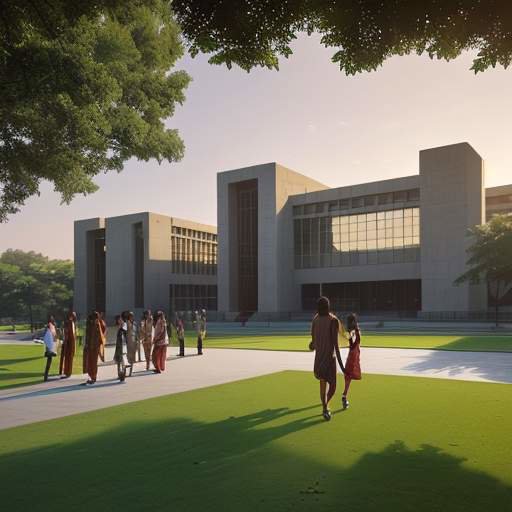
The Pillars of Academic Freedom in the Indian Context
To understand the impact on students, we must first define what academic freedom entails in a university setting. It involves the right of faculty to teach without fear of reprisal and the right of students to inquire, debate, and challenge established norms. In many Indian institutions, this is governed by internal regulations, state laws, and federal guidelines.
For a student life blog focusing on the nuances of campus culture, it is clear that when academic freedom is robust, the classroom becomes a laboratory for ideas. When students feel safe to question "why" instead of just "how," they develop the analytical skills necessary for leadership. However, recent years have seen a tightening of certain discourses, leading many to wonder about the future of independent inquiry. Some educators argue that these restrictions are necessary for social harmony, while others contend that they stifle the very innovation that higher education aims to foster.
The Impact on Student Research and Innovation
Research is the heartbeat of higher education. When students are involved in high-level research, they often encounter controversial topics—ranging from environmental policies to historical interpretations. In a climate where academic freedom is constrained, researchers may find themselves self-censoring to avoid administrative hurdles or legal complications.
This environment can significantly affect the trajectory of a student biography, as the personal growth and professional milestones of a student are often tied to their ability to pursue "niche" or "uncomfortable" topics. For instance, while some students might explore the nuances of STEM careers in traditional fields, others may want to push the boundaries of social sciences. If the latter group feels they cannot speak freely, the diversity of thought within the Indian academic ecosystem begins to shrink.
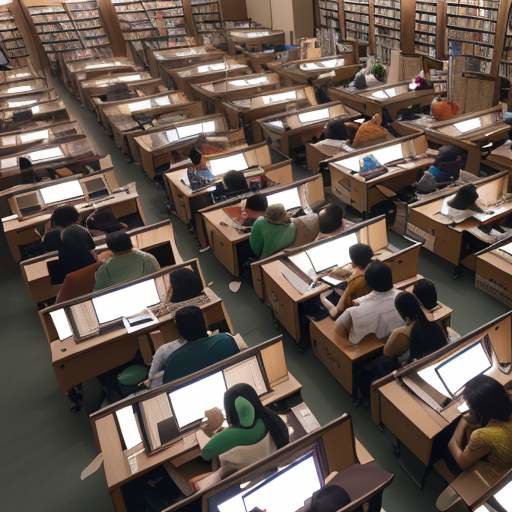
Navigating the Digital Frontier: AI and Academic Integrity
The rise of Artificial Intelligence has introduced a new layer to the conversation about academic freedom. As technology becomes more integrated into the classroom, students are grappling with how much "agency" they truly have over their work. In some regions, students are even pushing back against certain AI tools to ensure that their unique voices aren’t lost to algorithms.
In India, the integration of AI in higher education is moving at a rapid pace. Students are looking for the best apps for student productivity, but they are also wary of how these tools might impact the authenticity of their research. When academic freedom is compromised by external pressures, the reliance on automated tools can sometimes become a "safe" substitute for original, controversial thought. Ensuring that students have the space to use these tools as aids—rather than replacements—is a key challenge for modern Indian universities.
The Role of Campus Culture and Student Advocacy
The atmosphere of a campus often dictates how much freedom a student actually experiences on a daily basis. A vibrant student life is one where clubs, societies, and student unions can debate freely. In many cases, these spaces are the only places where "taboo" topics can be explored safely.
For those following a student life blog, it is evident that the grassroots movement of students is vital. When formal channels feel restricted, student-led organizations often step in to advocate for open dialogue. This is essential because the transition from a student to a professional requires a period of "intellectual experimentation." If that experimentation is stifled by a fear of repercussions, the ultimate goal of higher education—creating independent thinkers—is compromised.
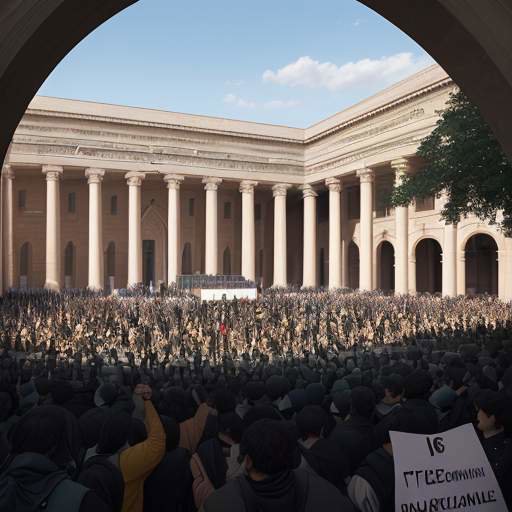
Global Perspectives and the Indian Education Model
India’s higher education system does not exist in a vacuum. It is constantly being compared to global standards. For example, some students looking for international perspectives might explore options in Australian universities to see how different systems handle academic freedom. These comparisons often highlight the importance of a liberal arts approach where diversity of thought is championed as a core value.
Furthermore, the way students are taught to communicate their ideas matters. Some educators argue that changes in essay writing can fundamentally change how students engage with complex topics. If the goal of an essay is merely to repeat a "correct" opinion, it hinders academic freedom. If the goal is to construct a persuasive argument on a complex issue, it empowers the student. The shift toward more interactive and inquiry-based learning is a way to preserve the spirit of academic freedom even when external constraints exist.

The Impact on Teacher-Student Dynamics
Academic freedom also impacts the faculty. A professor who feels they cannot speak freely in a lecture may choose "safer" topics, which directly affects the quality of education provided to the students. In higher education, the instructor’s role is to challenge the student’s preconceived notions. If the instructor is afraid to do so, the student remains within a bubble of comfortable certainties.
This dynamic is crucial for the "student life" experience. A student’s journey is about moving from the known to the unknown. When the boundaries of academic freedom are blurred, the "unknown" becomes less accessible. For students who might be looking for resources that are free for student use—such as open-source journals and public forums—the ability to access and discuss these materials without fear is paramount.
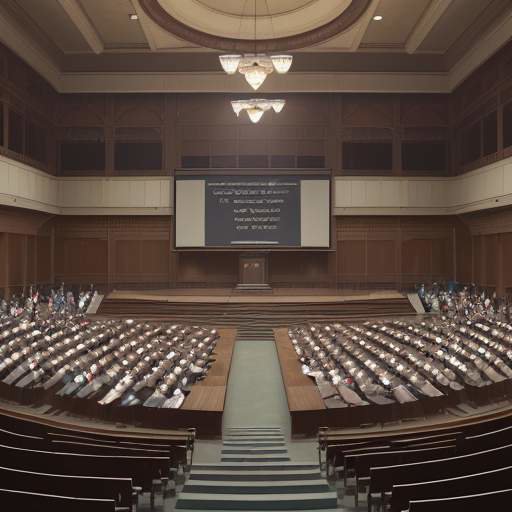
Conclusion: Cultivating a Resilient Academic Environment
The status of academic freedom in India is a nuanced and evolving issue. While there are significant challenges regarding what can be discussed openly, the resilience of the student body remains a powerful force. By fostering a culture of inquiry, leveraging technology responsibly, and advocating for the rights of both faculty and students, Indian institutions can create an environment where higher education truly flourishes.
For every student embarking on their academic journey, the goal remains the same: to find their voice. Whether they are navigating the complexities of modern research, utilizing new apps for student success, or participating in local campus debates, the preservation of academic freedom ensures that their voices can be heard clearly. The future of Indian higher education depends on a commitment to creating spaces where "why" is always a valid question and where the pursuit of truth remains the ultimate objective.
[IMAGE PROPT: A peaceful, inspiring image of a single student sitting on a stone bench in a university garden, reading a book. In the background, a clock tower stands tall against a clear blue sky. The scene evokes a sense of contemplation and the pursuit of knowledge. Photorealistic, high quality, 16:9 aspect ratio.]



















Recent Comments