
The landscape of education in India is undergoing a seismic shift. As classrooms transition from traditional rote learning to dynamic, interactive environments, the primary goal remains constant: improving the learning outcome for every student. In a country with a massive and diverse student population, achieving consistent academic success requires more than just standard textbooks; it requires a technological backbone that adapts to individual needs. This is where ShikshaNext steps in, offering a suite of EdTech and AI solutions designed to personalize education, bridge rural-urban divides, and equip students with the tools necessary for the 21st century.
By integrating sophisticated technology into the curriculum, educators can move beyond "one size fits all" teaching. From personalized learning paths to automated administrative tasks, these innovations ensure that teachers can focus on what they do best—inspiring students.
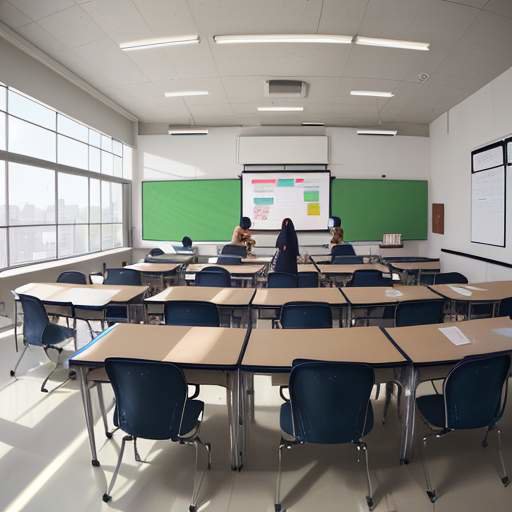
The Role of AI in Modernizing Education in India
Education in India faces unique challenges, including large class sizes and varying levels of infrastructure. AI-driven tools provide a scalable way to offer high-quality instruction to millions simultaneously. One of the most significant impacts of these technologies is the ability to provide instant feedback. Instead of waiting days for a teacher to grade an assignment, students can receive real-time corrections, allowing them to identify mistakes and learn from them immediately.
Furthermore, AI helps in identifying "at-risk" students early on. By analyzing data points such as attendance, quiz scores, and engagement levels, the system can alert educators when a student is struggling, allowing for timely intervention. This proactive approach is essential for improving the overall learning outcome across different regions.
Personalized Learning Paths and Skill-Based AI
One of the core pillars of ShikshaNext’s philosophy is the move toward skill based ai integration. Rather than following a linear path that may be too fast for some and too slow for others, AI algorithms can create customized learning journeys. If a student excels in mathematics but struggles with grammar, the system adjusts the frequency and type of exercises accordingly.
This personalized approach ensures that students master a concept before moving on to the next, building a solid foundation of knowledge. Moreover, it encourages students to develop specific competencies that are relevant to the modern job market, ensuring they are not just memorizing facts but mastering actual skills.

Mastering Modern Tools: From Research to Writing
In the modern academic world, knowing how to navigate the digital landscape is just as important as the subject matter itself. Many students today struggle with how to use ai for academic research effectively. ShikshaNext provides guidance on using AI as a research assistant—helping students synthesize large amounts of data, find relevant sources, and organize their thoughts more efficiently.
However, with the rise of automated content, it is also crucial for institutions to implement an ai detector to maintain academic integrity. By teaching students the ethical boundaries of technology, schools can ensure that AI remains a tool for empowerment rather than a shortcut for plagiarism. This balanced approach ensures that the core competencies of critical thinking and original thought remain at the forefront of the curriculum.
Cultivating Essential Life Skills through AI
Education is not just about passing exams; it is about preparing for life. ShikshaNext integrates ai lifeskills into its modules, focusing on problem-solving, emotional intelligence, and adaptability. For instance, AI-powered simulations can allow students to practice public speaking or navigate complex social scenarios in a safe, virtual environment.
By simulating real-world challenges, students can build confidence and resilience. These interactive modules provide a "sandbox" where students can fail, learn, and try again without real-world consequences. This is a revolutionary way to foster growth and prepare the youth of India for the complexities of the modern workforce.
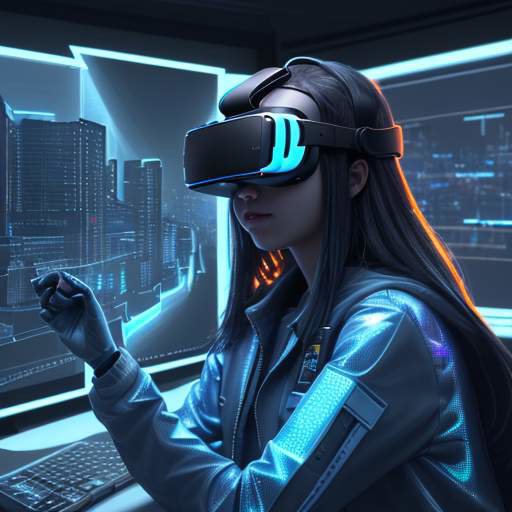
Enhancing Online Learning and Accessibility
The shift toward online learning has accelerated the need for robust digital infrastructure. ShikshaNext addresses this by creating high-quality, interactive content that works across various devices. This is particularly important for students in rural areas who may only have access to mobile phones.
To ensure a seamless experience, these platforms are optimized for performance. For example, while a student might worry about how to improve battery life on a mobile device during a long lecture, the software is designed to be lightweight and efficient. By minimizing heavy background processes, the platform ensures that students can stay engaged with their studies for longer periods without technical interruptions.
The 11 Core Solutions of ShikshaNext
To provide a comprehensive ecosystem, ShikshaNext offers 11 distinct solutions tailored to different facets of the educational journey:
- Adaptive Learning Engines: Algorithms that adjust content difficulty in real-time based on student performance.
- Automated Grading Systems: Reducing the administrative burden on teachers by instantly grading objective and subjective tests.
- AI-Powered Tutoring Bots: Providing 24/7 assistance to students who have questions outside of school hours.
- Content Recommendation Engines: Suggesting specific resources based on a student’s unique learning style (visual, auditory, or kinesthetic).
- Language Learning Modules: Using AI to provide instant pronunciation feedback and vocabulary building in multiple regional languages.
- Virtual Labs: Allowing students to perform complex chemistry or physics experiments in a safe, digital environment.
- Predictive Analytics Dashboards: Helping administrators identify trends and areas where the curriculum needs improvement.
- Gamified Learning Modules: Turning lessons into interactive quests to increase student engagement and retention.
- Smart Content Creation Tools: Helping teachers quickly generate high-quality quizzes and study guides.
- Collaborative Learning Platforms: Facilitating peer-to-peer interaction and group projects in a virtual space.
- Skill Mapping Tools: Tracking a student’s progress toward specific career goals and identifying necessary certifications.

Ensuring Security in the Digital Age
As schools move more of their data online, cybersecurity becomes paramount. Education platforms must be built on secure foundations to protect student privacy and institutional integrity. Implementing secure systems with AI ensures that the digital environment remains a safe space for exploration. By utilizing advanced encryption and AI-driven threat detection, ShikshaNext ensures that the focus remains on learning, not on navigating security risks.
Bridging the Gap with Localized Content
One of the biggest hurdles in education in India is the diversity of languages and cultural contexts. A standard English-only platform might not resonate with every student. ShikshaNext utilizes AI to translate and localize content into various regional languages while maintaining the pedagogical integrity of the original material. This ensures that a student in rural Maharashtra and a student in urban Delhi can both access the same high-quality concepts in the language they are most comfortable with.

Empowering Teachers as Mentors
The ultimate goal of these technologies is not to replace teachers but to empower them. By automating repetitive tasks like grading and attendance, teachers can reclaim their time to provide personalized mentorship. When a teacher is no longer buried in paperwork, they can spend more time helping a student understand a complex concept or guiding a student through a career choice.
The integration of an ai tool into the classroom serves as a "teaching assistant" that never gets tired. It handles the routine, while the human teacher provides the inspiration, empathy, and nuanced guidance that only a human can offer. This synergy is the key to significantly improving the learning outcome for students across the nation.
Preparing Students for a Tech-Driven World
The modern job market demands a high level of digital literacy. By using ShikshaNext’s platforms, students are not just learning math or science; they are learning how to navigate software, interact with AI, and manage their time in a digital environment. They become comfortable with the tools that will define their professional lives.
Furthermore, by focusing on skill based ai, the curriculum ensures that students are prepared for specific roles in the economy—be it in coding, manufacturing, analysis, or creative arts. The technology identifies where a student’s strengths lie and suggests paths that align with those strengths, making the transition from education to employment much smoother.

Conclusion: A New Era for Indian Education
The integration of EdTech and AI through ShikshaNext represents a pivotal moment for the Indian education system. By addressing specific challenges—such as large class sizes, diverse language needs, and the requirement for practical skills—these solutions create a more equitable and effective learning environment.
By focusing on improving the learning outcome, ShikshaNext isn’t just providing a platform; it’s providing a pathway to success. Through personalized learning, robust safety measures, and a focus on both technical skills and human-centric values, the future of education in India is looking brighter than ever. The marriage of human pedagogy and artificial intelligence ensures that every student has the opportunity to reach their full potential in an increasingly complex world.



















Recent Comments