
The rapid ascent of generative artificial intelligence has ushered in a new era of human creativity and industrial efficiency. However, this technological revolution carries a shadow side that educators, parents, and policymakers are only beginning to fully comprehend. As AI tools become more accessible, the ability to create hyper-realistic synthetic media—commonly known as "deepfakes"—has outpaced our collective ability to regulate it. For students, who are navigating the formative years of identity construction and digital socialization, these risks are not merely theoretical; they are immediate and potentially devastating.
The challenge lies in the fact that deepfakes do not just provide a new way to share content; they provide a new way to weaponize deception. From the fabrication of voices to the creation of realistic video clips of individuals saying or doing things they never did, the potential for exploitation is vast. In an educational context, this manifests as sophisticated forms of cyberbullying, identity theft, and the erosion of truth. To protect the next generation, we must move beyond simple awareness and toward a robust framework of digital literacy, institutional policy, and technological safeguards.
Understanding the Anatomy of Deepfakes
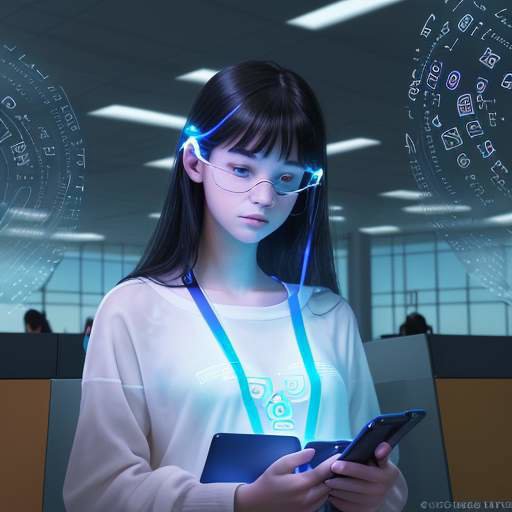
To address the risks, we must first understand what makes deepfakes so potent. A deepfake is a piece of media—usually a video or audio recording—in which a person’s likeness has been replaced by someone else’s using deep-learning algorithms. Unlike traditional "Photoshopping," which requires manual editing, deepfakes use Generative Adversarial Networks (GANs). In these systems, two AI models compete: one creates the fake content, and the other tries to detect it. Over time, the "creator" becomes so skilled that the "detector" can no longer tell the difference.
For students, this means that a "video" of a classmate saying something offensive might not be a prank; it could be a perfectly rendered fabrication created in seconds by a peer with a smartphone app. Similarly, AI-generated voice clones can mimic a student’s voice to bypass security protocols or to harass others in private group chats. The ease of production is the primary driver of risk. When high-level manipulation becomes "democratized," the barrier to entry for online harassment drops significantly, allowing malicious actors to target children with unprecedented precision.

The Evolution of Cyberbullying in the AI Era
Cyberbullying has long been a concern in schools, but the integration of generative media introduces "Cyberbullying 2.0." Traditional bullying often involved mean texts or reposted photos. In the age of AI, harassment can become much more intimate and harder to debunk. If a student is targeted with a deepfake video, the psychological impact is compounded by the fact that the evidence is visually convincing. This creates a "gaslighting" effect where the victim may struggle to convince others that the content is fake, leading to social isolation and a sense of helplessness.
Furthermore, AI can be used to automate harassment. Bot accounts can generate large volumes of personalized insults or fake news about a student’s life, amplified by algorithms that favor high-engagement (often high-emotion) content. This scale of harassment can move from a localized school issue to a widespread online crisis in minutes. The "permanence" of the internet means that even if a deepfake is eventually identified as fake, the initial emotional trauma and the fleeting moments of public scrutiny can leave lasting scars on a young person’s mental health and reputation.
Psychological Impacts and the Erosion of Trust
Beyond the immediate threat of harassment, there is a broader psychological consequence: the erosion of objective truth. When students are constantly exposed to high-quality synthetic media, they may begin to develop a "cynicism of the senses." If any video can be fake and any voice can be cloned, the default assumption becomes that nothing is real. While a healthy level of skepticism is a component of critical thinking, an over-correction can lead to a state where students no longer trust legitimate information or peer communication.
This environment of uncertainty can be particularly taxing for adolescents who are developing their sense of self. When the line between reality and simulation blurs, it becomes harder for students to navigate online spaces with confidence. They may experience heightened anxiety when interacting online, fearing that their own likenesses could be stolen or manipulated. This "digital paranoia" can hinder their ability to engage in healthy online communities, which are essential for modern social development.

Institutional Responsibility and Policy Frameworks
Schools and educational institutions must act as the primary line of defense. This requires a multi-pronged approach involving policy, technology, and community engagement. First, schools must update their "Acceptable Use Policies" (AUP) to specifically address the creation and distribution of synthetic media. These policies should clearly define deepfakes as a form of severe harassment, ensuring that there are clear disciplinary consequences for those who use AI tools to target peers.
Secondly, schools need to invest in detection tools and safe reporting mechanisms. While no technology can perfectly detect every deepfake, integrated platforms can flag suspicious content or provide "report" buttons specifically for AI-generated content. However, the most important "tool" is a clear, non-judgmental reporting pipeline. Students must feel empowered to report concerns without fear of being mocked for "not knowing" if something was real or fake. Educators need to be trained to recognize the signs of digital harassment and provide emotional support to students who have been targeted by synthetic media.
Empowering Students Through Digital Literacy
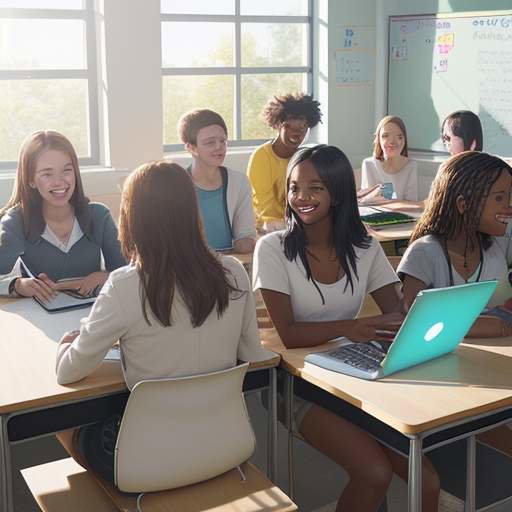
The ultimate defense against the risks of AI is a robust education in digital literacy. We must move beyond simply telling students "don’t do this" and instead teach them how to navigate the world with a critical eye. This means teaching students to be "digital detectives." They should learn to look for the hallmarks of synthetic media—such as unnatural movements, inconsistent lighting, or "glitches" in the rendering—while also understanding that these markers are becoming harder to spot as AI improves.
A comprehensive digital literacy curriculum should include:
- Source Verification: Teaching students to check who created a piece of content and what their motives might be.
- Reverse Image Searching: Showing them how to trace the origins of an image or video.
- Understanding Algorithms: Explaining how social media platforms prioritize engagement, which can amplify sensationalized or fake content.
- The Ethics of Creation: Engaging in deep discussions about the moral implications of creating synthetic content and the importance of consent.
By fostering these skills, we give students a "mental shield." They won’t just be passive consumers of media; they will be active, critical thinkers who can identify manipulation and navigate the complexities of the digital age with confidence.
Conclusion: A Collaborative Shield
The rise of deepfakes and AI-driven harassment is a complex challenge that no single entity can solve alone. It requires a collaborative effort between parents who monitor their children’s digital lives, educators who integrate literacy into the curriculum, and tech companies that develop more robust detection systems. We cannot simply wait for the technology to become "safe" before we act; we must proactively equip our students with the tools they need to stay safe in an increasingly complex landscape.
By fostering a culture of awareness and critical thinking, we can ensure that the benefits of generative AI—such as personalized learning and creative exploration—are not overshadowed by its risks. Our goal should be to create a digital environment where students feel empowered, protected, and capable of discerning truth from fiction. The future is undeniably digital, and our primary responsibility is to ensure that for our students, that future remains a safe and authentic one.



















Recent Comments