
New York City is a dream destination for many, but for those just starting their academic journey, the reality of urban living can be a shock to the system. For any student navigating the complexities of the Manhattan and Brooklyn real estate markets, the primary hurdle isn’t just finding a room—it’s finding a sustainable way to live within a budget. The sheer demand for space in one of the world’s most iconic cities creates a competitive environment where "affordable" is a relative term. However, with strategic planning, savvy research, and a bit of local knowledge, it is possible to carve out a comfortable space in the city while keeping your finances intact.

The Reality of Student Navigating Housing in NYC
When you are a student navigating the housing crisis in New York, you aren’t just competing with other students; you are competing with professionals, tourists, and long-term residents. This high demand drives prices upward, making it essential to understand the nuances of different neighborhoods. Many students find that "living in the city" doesn’t necessarily mean living in Manhattan. Neighborhoods in Queens, the Bronx, and parts of Brooklyn often offer a better balance between proximity to campus and manageable rent.
To make this transition easier, many students turn to specialized resources. While a general student blog might offer broad advice on study habits, a dedicated student life blog focused on urban navigation can provide specific tips on commuting and local amenities. Understanding the "why" behind the costs is the first step toward managing them. For instance, some international students may find themselves looking into how to study in the UK to compare different cost-of-living models before making a final decision on their American journey.
Strategic Location Scouting and Commuter Life
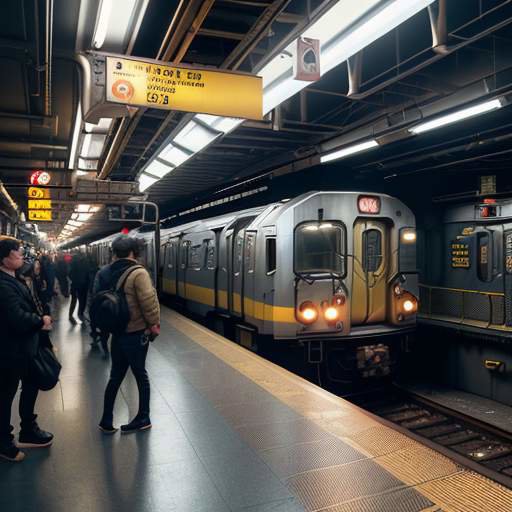
One of the most effective ways to manage costs is to prioritize a "commutable" location over a "central" one. If you live near a subway line, your "neighborhood" can effectively be the entire city. Many students find that living in neighborhoods like Astoria or Bushwick provides a vibrant community feel while significantly lowering the monthly rent compared to the East Village or Chelsea.
When evaluating these areas, consider the "hidden" costs of your location. A cheaper apartment in a remote area might save you $300 a month in rent, but if it requires two bus transfers and an hour of travel time daily, the cost in time and transportation fees might negate those savings. This is where finding the right apps for student life becomes crucial. Utilizing transit apps to calculate your daily commute can help you decide if a further-out location is truly more economical.
Mastering the Art of Roommate Dynamics
In NYC, "solo" living is a luxury few students can afford. The standard for most is a shared apartment or a room in a shared house. Navigating this social and financial dynamic requires clear communication and a solid contract. When sharing a space, it is vital to have an explicit agreement on how utilities, internet, and common area maintenance are split.
To keep your budget lean, look for "multi-room" listings where the rent is divided by the number of occupants. This is often more stable than "subletting," which can be transient. When looking at these options, some students find that finding a roommate who shares similar lifestyle goals—such as being a student—makes the experience much smoother. You can find more about the nuances of academic life and housing to see how different institutions support their students in urban environments.
Budgeting for the "Extras" of City Living
Managing housing costs isn’t just about the rent check; it’s about the cost of living within those four walls. In a city where everything from a coffee to a subway swipe costs money, your "discretionary" spending can spiral quickly. To combat this, many students utilize apps for student discounts or look for things that are free for student residents, such as museum passes or discounted gym memberships.
Additionally, consider the cost of your academic materials. Instead of buying every new edition of a textbook, many savvy students look for ways to get cheaper books or use digital libraries. By saving money on these "fixed" costs, you can allocate more of your budget toward your housing and local experiences.
Navigating the Hidden Costs of Urban Maintenance
Living in an older building in New York can sometimes come with unexpected costs or inconveniences. From heating issues in the winter to dealing with old electronics, your "living" costs can fluctuate. For example, in some regions, students face significant hurdles regarding rising energy costs, and it is important to be aware of how your building’s efficiency affects your monthly bills.
Furthermore, if you are moving into a space with older technology, you might occasionally need to troubleshoot basic issues. While most students aren’t technicians, knowing how to fix common electronics can save you from calling expensive repair services for minor glitches. Being proactive about your environment helps keep your "hidden" costs at bay.

Community and Networking as a Cost-Saving Tool
One of the best ways to manage the high cost of living in NYC is to lean into the community. Student organizations often host "potluck" dinners, group study sessions in public libraries (which are free for students), and organized outings that are much cheaper than going out alone. By joining these groups, you can access the "luxury" of city life—like trying a new restaurant or visiting a gallery—without the premium price tag.
Engaging with your peers also provides a support system for the stresses of urban life. Whether it’s sharing a bulk-bought grocery haul or finding a carpool to a nearby city, the "power of the group" is a fundamental strategy for any student life blog to recommend. Building these connections ensures that while your wallet might be tight, your experience in the city remains rich and fulfilling.

Conclusion: Making NYC Work for You
Living in New York City as a student is an exercise in strategy. It requires a balance between ambition and pragmatism. By choosing your location wisely, embracing the roommate model, utilizing technology to manage your daily expenses, and tapping into the power of community, you can navigate the high costs of urban demand without sacrificing your quality of life.
The city will challenge you, but it will also provide you with unparalleled opportunities. The key is to be intentional. Every decision—from the neighborhood you choose to the apps you use to track your spending—should be a step toward making your time in the city as rewarding as possible. While the costs are high, the experience of living in such a dynamic environment is an investment in your personal and professional growth that will stay with you long after you’ve graduated.



















Recent Comments