
The modern academic landscape is shifting beneath our feet. Gone are the days when "research" meant spending hours buried in physical library stacks with nothing but a highlighter and a notepad. Today, the digital revolution has introduced powerful tools that can streamline your workflow, organize your thoughts, and synthesize complex information in seconds. If you are looking for ways to student use ai effectively, you are entering a new era of academic productivity where technology acts as a co-pilot rather than just a search engine.
In this comprehensive guide, we will explore how to integrate artificial intelligence into your daily study routine. Whether you are struggling to organize massive amounts of lecture notes or trying to find the "needle in the haystack" within hundreds of academic papers, AI can be the ultimate catalyst for success. By mastering these tools, you aren’t just making your life easier; you are developing essential ai lifeskills that will serve you well into your professional career.
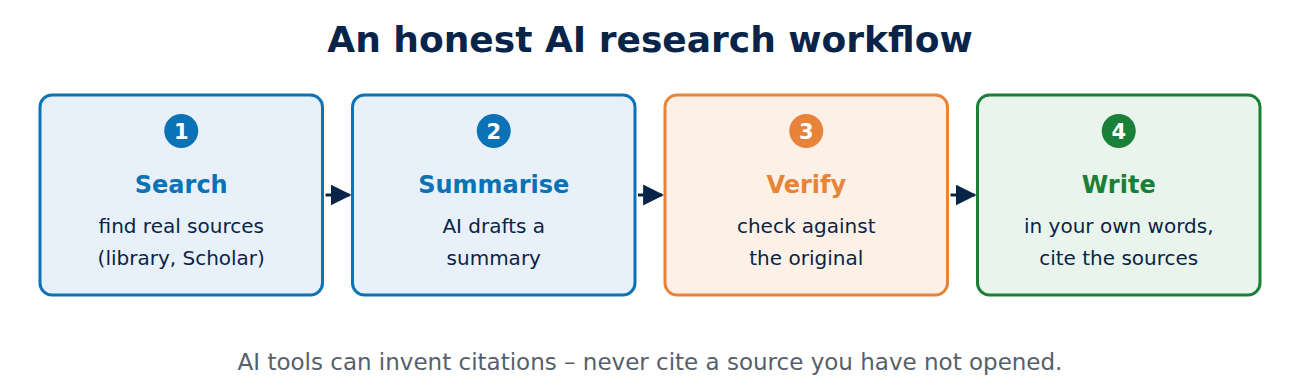
The Evolution of Research: Why Students Use AI
The primary reason many students turn to these technologies is the sheer volume of information produced today. To succeed in higher education, you must be able to filter out noise and focus on core concepts. AI excels at this synthesis. Instead of reading a 40-page paper just to find one specific methodology, you can use specialized models to summarize the core arguments and highlight key findings.
However, it is not about taking the easy way out; it is about working smarter. When you student use ai for research, you are utilizing a tool to automate the "grunt work" of data organization so you can spend more time on critical thinking and analysis. For those who want to master the edge of technology, understanding these tools is the first step toward academic mastery.
Streamlining Note-Taking with AI Tools
One of the biggest hurdles in student life is keeping up with fast-paced lectures and sprawling seminar discussions. Traditional note-taking often results in fragmented information that is difficult to review later. AI-powered applications for student use can transform this experience by transcribing audio in real study sessions or organizing handwritten notes into structured outlines.
- Transcription and Summarization: Tools can now take a live lecture recording and generate a transcript, which an AI can then summarize into bullet points.
- Concept Mapping: Some platforms can automatically identify keywords in your notes and create visual maps to show how different ideas connect.
- Automated Formatting: Instead of spending hours formatting a bibliography or organizing headings, AI can structure your notes into a professional format instantly.
If you are looking for more essential tools and strategies to manage your workload, integrating these automated systems is a game-changer. By automating the structure, you free up mental energy for the actual content.
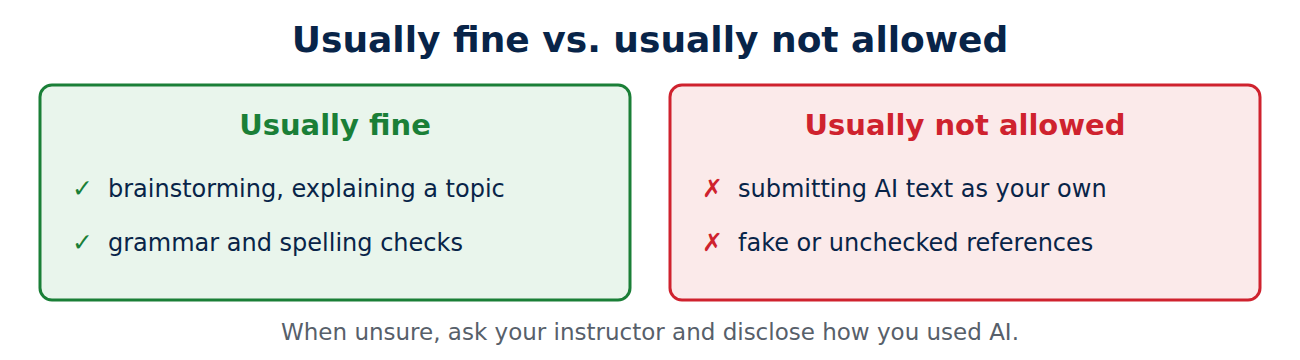
Navigating the Ethics of AI in Academia
While the benefits are clear, the "how" matters just as much as the "what." Using AI responsibly is a cornerstone of academic integrity. It is vital to understand the difference between using AI as a research assistant and using it to bypass the learning process. For instance, using AI to explain a complex concept like "quantum entanglement" in simpler terms is an excellent use of technology; asking it to write your entire thesis for you is a violation of academic ethics.
Many students worry about the "gray areas." To navigate these successfully, you must establish a personal framework of integrity. It is always best to consult your syllabus and check if there is a specific guideline for ethical AI provided by your institution. When you use these tools as a way to clarify, organize, and brainstorm, you are enhancing your education rather than undermining it.
Finding the Best Resources for Student Life
Finding the right software can be overwhelming. Many students search for a "program for student" use that offers high-level features without a massive price tag. Fortunately, there are many options available for students for free or at heavily discounted rates.
When looking for apps for student success, prioritize those that offer:
- Citation Management: Automatically generating APA, MLA, or Chicago style citations.
- PDF Interaction: Tools that allow you to "chat" with a PDF to find specific data points quickly.
- Language Translation: For international students or those researching sources in other languages.
To truly thrive, you should focus on mastering the core skills that allow you to blend these technologies into your unique study style. Don’t just use the tool because it’s new; use it because it solves a specific problem in your workflow.
Advanced Research Techniques: From Synthesis to Creation
Once you have mastered the basics of note-taking, you can move into advanced research. AI can help you identify gaps in existing literature or suggest related papers that you might have missed. By using AI to perform "sentiment analysis" on a set of articles or to summarize the methodology of several competing studies, you can build a much stronger foundation for your own original work.
This is where the "student life" becomes truly rewarding—when you move from simply consuming information to creating new knowledge. By leveraging these tools, you can spend less time on the logistics of research and more time on the creative synthesis of ideas. It’s about moving from a passive learner to an active researcher who utilizes every available resource to push the boundaries of their field.
Building a Sustainable Study Workflow
The final step in your journey is consistency. It is easy to get distracted by the "shiny" new tools that appear every week. Instead, pick three core areas where AI can help you immediately:
- Information Triage: Using AI to summarize long articles or emails.
- Organization: Using AI-powered tools to structure your weekly study schedule and notes.
- Clarification: Using AI as a 24/7 tutor to explain difficult concepts in different ways until they "click."
By focusing on these, you create a sustainable system that reduces burnout and keeps you motivated. Many students find that having a clear "student free" toolkit of resources allows them to manage their time more effectively, leading to better grades and less stress.
Conclusion
The integration of AI into your academic life is not just a trend; it is a fundamental shift in how we interact with information. By learning to student use ai for research and note-taking, you are equipping yourself with a powerful toolkit that enhances your ability to learn, organize, and create.
Remember that the goal of these tools is to augment your human intelligence, not replace it. When you use AI to clear the hurdles of organization and synthesis, you open up space for the deep thinking and original creativity that define true academic success. Embrace the technology, stay mindful of the ethics, and transform your study habits into a streamlined, efficient, and highly effective process. Your journey toward academic excellence is now powered by the best tools the modern age has to offer.

















Recent Comments