
The arrival of generative artificial intelligence has sent shockwaves through the creative industries, but perhaps nowhere is the tremor felt more acutely than within the walls of art and design schools. For centuries, these institutions have been the bastions of human expression, cultivating the "soul" of craft—the deliberate, often messy, and deeply personal process of translating internal emotion into external form. Today, that process is being challenged by algorithms capable of producing photorealistic images, complex musical compositions, and nuanced prose in a matter of seconds.
The initial reaction from many educators was one of alarm. If a machine can generate a masterpiece, what is the value of a four-year degree in fine arts? However, as the initial shock has subsided, a more nuanced conversation is emerging. Rather than viewing AI as a replacement for the artist, forward-thinking institutions are beginning to view it as a radical new medium—a "super-tool" that demands a fundamental reimagining of what it means to be creative in the 21st century.
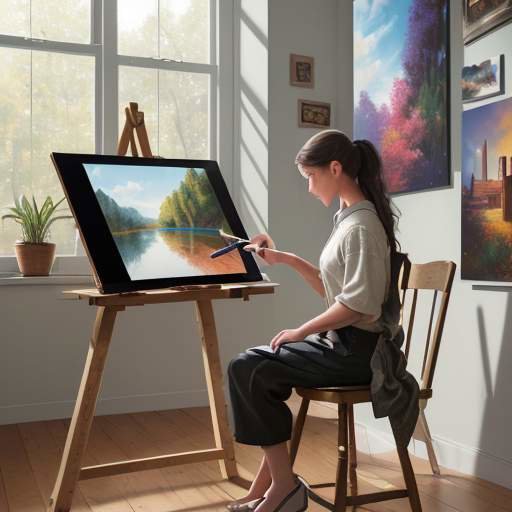
The Genesis of Anxiety: Art, Soul, and the Machine
The primary tension in arts education today lies in the definition of "art" itself. Critics of AI integration argue that art is inseparable from human experience—the pain, joy, and physical effort required to master a craft. They fear that if we outsource the execution of an idea to an algorithm, the "soul" of the work evaporates. In this view, an AI-generated image is merely a statistical probability of what a painting should look like, devoid of intent.
Conversely, proponents of integration argue that this fear mirrors past anxieties surrounding the invention of the camera or the synthesizer. When photography emerged, many claimed it would destroy the necessity of painting. Instead, it pushed painters away from realism and toward impressionism and abstraction, forcing them to explore what only a human hand could convey. Similarly, AI is pushing students toward "conceptual mastery." If the technical barrier to creating a beautiful image is lowered, the artist’s role shifts from the execution of the image to the curation of the concept.
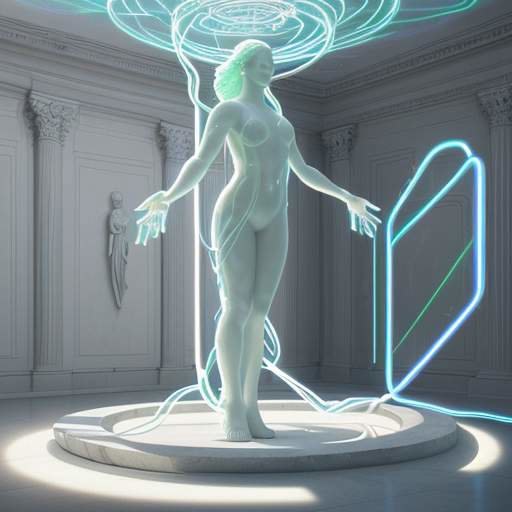
From Craft to Curation: Shifting Pedagogical Foundations
As AI becomes more prevalent, the curriculum in arts schools is undergoing a profound transformation. Traditional skills—such as anatomy, color theory, and perspective—remain foundational. However, they are now being taught alongside "computational literacy." Students are learning how to interact with Large Language Models (LLMs) and image generators not just as shortcuts, but as iterative partners.
This shift is moving the needle toward "Prompt Engineering" as a legitimate form of creative direction. In this context, a student’s ability to articulate a complex vision in words becomes as important as their ability to manipulate a brush. Educators are teaching students how to use AI to rapidly prototype ideas, explore vast mood boards in minutes, and iterate on textures that would have taken weeks to hand-render. The goal is not to let the machine "make" the art, but to allow the artist to explore a wider breadth of possibilities before committing to a final medium.
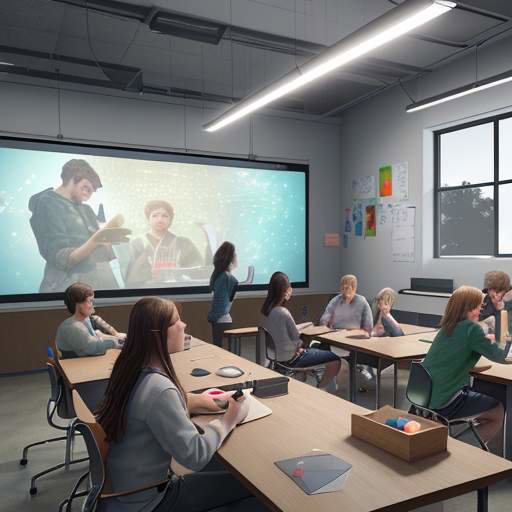
The Collaborative Studio: AI as a Co-Creator
One of the most exciting developments in contemporary art education is the "Human-in-the-loop" model. This approach treats AI as a collaborator rather than a tool. In a collaborative studio environment, an artist might use an AI to generate a hundred variations of a character’s clothing, then hand-pick the best elements and refine them using traditional digital painting techniques.
This iterative loop allows for a "braided" creative process. The artist provides the intent and the selection; the AI provides the permutations. This synergy can break through creative blocks and allow students to experiment with styles that would be technically impossible for a single human to master in a short timeframe. By integrating these tools into the studio, schools are teaching students how to manage complex workflows where human intuition and machine processing power work in tandem.
[IMAGE9: A high-tech artist’s studio where a person is using a stylus on a tablet to refine a complex digital painting that features elements of both realistic textures and surreal, glowing digital overlays. The room has large windows showing a city at night. The workspace is organized with multiple screens and physical art supplies, high quality, cinematic lighting, sharp details, 16:9 aspect ratio, final image width 650px strict, no text in image, no watermark, optimized for Flux/SD3/SDXL]
Ethical Landscapes and Intellectual Property
The rise of AI has also forced a necessary and difficult conversation regarding ethics. Art schools are now tasked with teaching students the nuances of data copyright, the "black box" nature of training sets, and the ethics of deepfakes. Students must learn where the line exists between "inspiration" and "plagiarism."
Because AI models are trained on massive datasets of human-created work, many artists feel their intellectual property is being harvested without consent. Schools are addressing this by teaching "ethical curation." This involves teaching students how to use AI in ways that respect the original creators, how to disclose the use of AI in their portfolios, and how to navigate the legal complexities of the burgeoning landscape. By tackling these issues head-on, schools are preparing artists to be not just creators, but responsible citizens in a digital economy.
Cultivating "Human-Only" Skills: The Value of the Physical
Perhaps the most important response to the AI revolution is the renewed emphasis on what makes art uniquely human. As digital perfection becomes easy to achieve, the value of "imperfection," physicality, and lived experience will likely skyrocket. Art schools are doubling down on the importance of the human body in the creative process—the muscle memory of a potter’s hands, the tactile resistance of clay, and the visceral experience of live performance.
There is an inherent intimacy in a piece of art that bears the marks of a human’s struggle. A brushstroke that wavers slightly, a thumbprint in a ceramic bowl, or the specific, unrepeatable "mistakes" of a physical performance offer a connection that a perfectly rendered algorithm cannot replicate. By highlighting these "human-only" skills, schools are ensuring that even in an age of automated perfection, the value of human touch remains paramount.
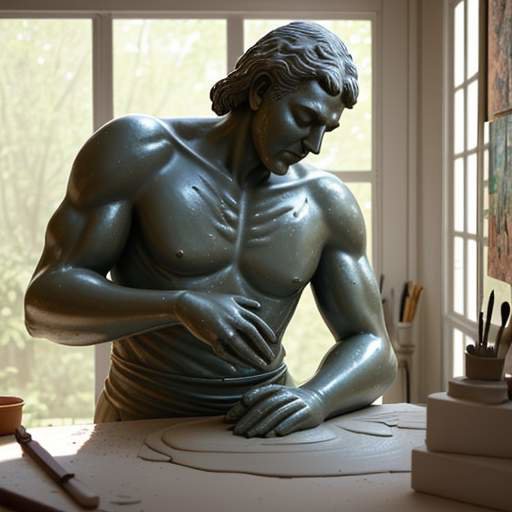
Conclusion: The Synthesis of Future Art
The AI revolution is not the end of art; it is the beginning of a new epoch of hybridity. Art schools are navigating this transition by embracing a "both/and" philosophy. They are teaching students to be both master craftsmen and savvy technologists, both traditionalists and innovators.
In the coming years, the most successful artists will likely be those who can navigate both worlds—those who can use AI to expand the boundaries of their imagination while grounding their work in the deep, soulful traditions of human experience. By fostering this synthesis, art schools are not just preparing students for a world with more technology; they are preparing them to be the pioneers of a new era where the boundary between the human heart and the digital spark becomes beautifully blurred. The future of art lies in the synergy of the human spirit and the machine’s capability, creating a landscape of creativity that is more expansive, inclusive, and daring than ever before.












Recent Comments