

The landscape of modern education is undergoing a seismic shift. For decades, the classroom model remained largely static, relying on standardized curricula and one-size-fits-all teaching methods. However, the rapid integration of artificial intelligence (AI) is rewriting the rules of engagement between teachers, students, and technology. At the forefront of this revolution is the Discovery Education Connected Ecosystem, a comprehensive platform designed to leverage AI to enhance student outcomes while supporting educators. This article explores how this ecosystem is reshaping K-12 education, focusing on personalized learning, teacher empowerment, and the cultivation of future-ready skills. As we navigate this digital transformation, understanding the nuances of AI integration becomes crucial for stakeholders across the education sector.
The Discovery Education Connected Ecosystem Overview
The Discovery Education Connected Ecosystem represents more than just a collection of digital tools; it is a holistic environment where data, content, and pedagogy converge. This platform integrates seamlessly into existing school infrastructure, providing a unified interface for curriculum delivery, assessment, and analysis. Unlike fragmented solutions that require multiple logins and disparate systems, this ecosystem offers a cohesive experience. It connects classroom activities with real-world data, allowing students to see the relevance of their learning beyond the textbook.
The core philosophy behind the ecosystem is connectivity. It connects students to content, connects teachers to data, and connects schools to global resources. By utilizing AI algorithms, the system can analyze vast amounts of student interaction data to identify patterns in learning behaviors. This capability allows for the creation of dynamic learning environments that respond to student needs in real-time. For instance, if a student struggles with a specific concept in biology, the AI can suggest supplementary materials or alternative explanations tailored to their learning style. This level of responsiveness was previously impossible with traditional methods.

Personalized Learning Paths for Every Student
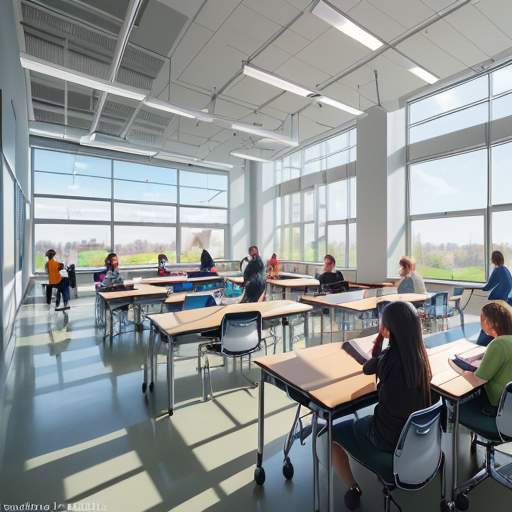
One of the most significant impacts of AI in K-12 education is the ability to personalize learning paths. Traditional classrooms often struggle to address the diverse needs of thirty or more students simultaneously. AI changes this dynamic by adapting to individual paces. When a student masters a concept quickly, the system unlocks advanced challenges. Conversely, if a student needs more time to grasp a fundamental idea, the AI provides targeted support without stigmatizing the learner. This adaptive approach ensures that no student is left behind while also challenging those who are ready to move faster.
This personalization extends beyond just academic subjects. It encompasses soft skills and emotional intelligence as well. The ecosystem tracks engagement metrics, such as time spent on tasks, accuracy rates, and interaction frequency. These data points help educators understand not just what a student knows, but how they learn best. Some students thrive on visual aids, while others prefer textual explanations or interactive simulations. The AI can recommend resources that match these preferences, fostering a more inclusive environment.
Furthermore, personalized learning prepares students for a workforce that values adaptability. In the future, the ability to learn new skills quickly will be more valuable than rote memorization. By experiencing a curriculum that evolves with their needs, students develop the resilience and flexibility required for higher education and careers. The Discovery Education platform facilitates this by providing a scaffolded environment where students can build confidence through incremental success.
Teacher Empowerment and Administrative Efficiency
While the focus is often on student outcomes, the impact on teachers is equally profound. Educators are often burdened by administrative tasks that detract from their primary role: teaching and mentoring. The Connected Ecosystem automates many of these burdensome processes. Grading, attendance tracking, and progress reporting are streamlined through AI-driven analytics. This frees up valuable time for teachers to focus on lesson planning, student counseling, and classroom management.
Teachers are also empowered with actionable insights. Instead of sifting through piles of paper tests, they receive dashboards that highlight areas of concern across the class. If a significant portion of the class is struggling with a specific topic, the teacher can intervene early with a targeted lesson. This proactive approach prevents small gaps in understanding from becoming large deficits later in the year. The AI acts as a co-pilot, offering suggestions for instructional strategies based on best practices in pedagogy.
Moreover, the ecosystem supports professional development. Teachers can access resources that help them integrate technology effectively into their lessons. Training modules are available within the platform, ensuring that educators feel confident using the tools. This support system is crucial for adoption rates. When teachers feel supported, they are more likely to embrace innovation. The result is a classroom culture where technology enhances rather than distracts from the learning experience.

Bridging the Digital Divide and Equity
A common concern regarding technology in education is the digital divide. However, the Discovery Education Connected Ecosystem is designed with equity in mind. The platform is accessible across various devices, from high-end laptops to older tablets, ensuring that hardware limitations do not hinder access to quality content. This inclusivity is vital for schools in under-resourced communities where funding may be tight.
The content itself is also curated to be universally accessible. Materials are available in multiple languages and formats, accommodating students with different linguistic backgrounds and learning disabilities. AI tools can translate content in real-time, breaking down language barriers for English language learners. This ensures that every student, regardless of their background, has access to the same high-quality educational resources. Equity is not just about access to devices; it is about access to opportunity.
By standardizing the quality of instruction through a centralized platform, schools can ensure that all students receive a rigorous education. This helps level the playing field between affluent and low-income districts. When the curriculum is high-quality and consistent, the gap in educational outcomes can begin to narrow. The ecosystem also provides data that helps policymakers identify resource gaps and allocate funds more effectively. Transparency in data usage builds trust between schools, parents, and the community.
Future-Ready Skills and Career Preparation
The ultimate goal of K-12 education is to prepare students for the future. The skills required in the twenty-first century are different from those needed in the twentieth. Critical thinking, creativity, collaboration, and communication—often referred to as the 4 Cs—are central to the Discovery Education approach. AI tools are used to foster these skills rather than replace them. For example, students might use AI to generate a draft of an essay, but they must then edit, refine, and argue their points, developing their own voice.
Career preparation is also integrated into the curriculum. The ecosystem connects classroom learning with real-world applications. Students can explore career pathways through virtual simulations and industry-relevant projects. This exposure helps them make informed decisions about their post-secondary education and career goals. By understanding how technology impacts various industries, students become more adaptable job seekers. They learn that AI is a tool to be mastered, not a threat to be feared.

Conclusion
The integration of AI into K-12 education through the Discovery Education Connected Ecosystem marks a pivotal moment in the history of schooling. It offers a pathway to a more personalized, efficient, and equitable educational experience. By empowering teachers and engaging students, this technology ensures that education remains relevant in a rapidly changing world. As we move forward, the focus must remain on using these tools to enhance human potential. The future of education is not about replacing teachers with machines, but about equipping them with the best tools to nurture the next generation of innovators and leaders. Embracing this transformation is essential for any school district committed to excellence.