The landscape of higher education and vocational training is undergoing a seismic shift. For decades, the model of career preparation was linear: students would attend lectures, earn a degree, and enter a workforce that remained relatively stable for years. However, the rapid integration of Artificial Intelligence (AI) into the global economy has disrupted this trajectory. Today, the "future of work" is being rewritten by automation, machine learning, and data-driven decision-making. To stay competitive, students must now navigate a landscape where AI is not just a tool but a fundamental partner in the learning process.
The rise of AI-powered career education represents a move toward hyper-personalized, adaptive, and highly responsive learning environments. Instead of a one-size-fits-all curriculum, AI allows for a customized journey that identifies a student’s unique strengths, addresses their specific knowledge gaps, and aligns their education with real-time market demands. This transformation is not just about "learning with robots"; it is about leveraging intelligent systems to bridge the gap between academic theory and professional mastery.

Personalized Learning Paths and Adaptive Curricula
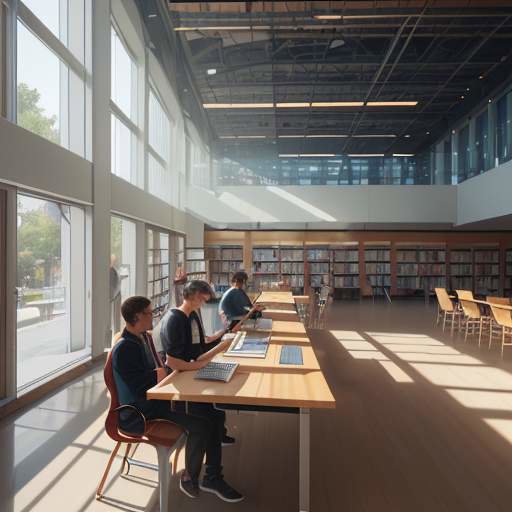
One of the most significant impacts of AI in career education is the move toward personalization. Traditional classrooms often struggle to cater to the diverse learning paces of thirty different students simultaneously. AI-driven platforms solve this by utilizing machine learning algorithms to analyze student performance in real-time. If a student struggles with a specific concept—such as understanding complex algorithms or mastering a new language—the system detects the pattern and automatically provides supplemental resources, practice problems, and alternative explanations.
This "adaptive learning" ensures that students do not move forward until they have mastered a concept, preventing the common issue where students fall behind and eventually disengage. Furthermore, AI can tailor the content of the education to the student’s career goals. A student interested in marketing might receive case studies focused on consumer behavior, while a student interested in engineering might see the same module presented through the lens of structural integrity. By narrowing the focus to what is relevant to the individual, AI increases engagement and accelerates the path to mastery.
Bridging the Skills Gap with Real-Time Data
A perennial challenge in education is the "skills gap"—the discrepancy between what students learn in school and what employers actually require in the workplace. In a fast-moving economy, academic curricula can take years to update, while industry demands change in months. AI serves as a bridge here by scraping and analyzing millions of job postings, LinkedIn profiles, and industry reports to identify the most in-demand skills in real-time.
For students, this means that their education can be dynamic. AI-powered platforms can alert a student that "Python proficiency" is becoming more valuable than "Basic Scripting" in their specific field, allowing them to pivot their focus immediately. By integrating these insights into the curriculum, educational institutions can ensure that graduates are not just "educated," but "employable." This data-driven approach allows students to build a portfolio of skills that directly correspond to the needs of the current market, significantly increasing their chances of successful placement after graduation.
Immersive Simulations and "Safe Failure" Environments
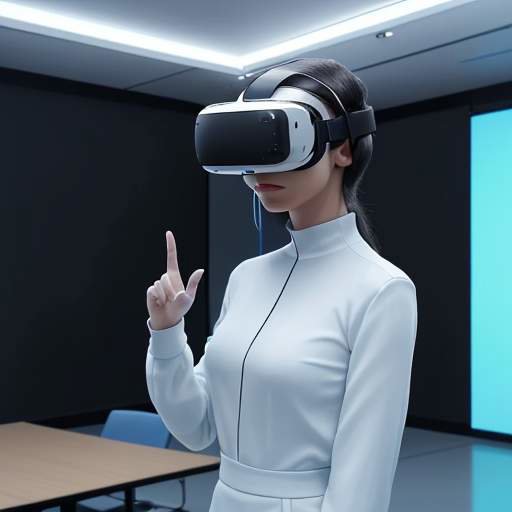
One of the most daunting aspects of entering a new career is the fear of making mistakes in a high-stakes environment. AI provides a revolutionary solution through immersive simulations and role-playing scenarios. Using Large Language Models (LLMs) and advanced avatars, students can practice difficult conversations, negotiate contracts, or manage crisis situations with an AI "persona" that reacts realistically to their input.
For example, a student preparing for a management role can use an AI-powered simulator to practice giving difficult performance reviews to "employees." The AI can provide instant feedback on the student’s tone, clarity, and empathy. This creates a "safe failure" zone where students can experiment with different communication styles and problem-solving techniques without risking their professional reputation. By the time these students enter the actual workplace, they have already "practaged" hundreds of scenarios, building the confidence and muscle memory required for success.
Automated Career Guidance and Portfolio Optimization
The transition from student to professional involves a mountain of administrative and strategic tasks: crafting a resume, optimizing a LinkedIn profile, identifying networking opportunities, and building a portfolio. These are often areas where students feel overwhelmed and unsure of where to start. AI tools can automate and optimize these processes significantly.
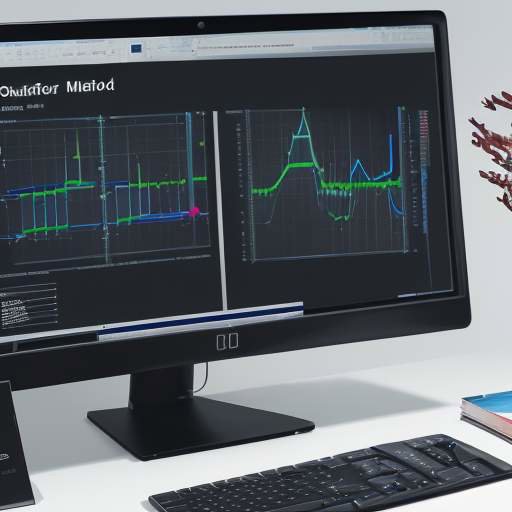
AI can analyze a student’s transcript and project list to suggest the most relevant keywords for their resume based on specific job descriptions. It can generate multiple versions of a cover letter tailored to different companies, ensuring that each one highlights the skills most relevant to that specific role. Furthermore, AI-driven "career coaches" can analyze a student’s current skill set and suggest specific projects or certifications to fill gaps in their profile. Instead of guessing what they should do next, students receive a roadmap based on data-driven analysis of where they currently stand compared to their desired career goals.
The Human-AI Hybrid: The Importance of Soft Skills
While the role of AI in education is expanding, it is crucial to recognize that AI is not a replacement for human mentorship; rather, it is an enhancer. As technical skills become more automated, "human" skills—such as empathy, ethical judgment, leadership, and complex collaborative problem-solving—become even more valuable. The most successful students will be those who use AI to handle the "heavy lifting" of data processing and routine tasks, freeing up their time to focus on these high-level human interactions.
The future of career education lies in a hybrid model. In this model, AI provides the personalized data, the 24/7 tutoring, and the simulation environments, while human mentors provide the inspiration, the ethical framework, and the nuanced career coaching that only another human can provide. Students who learn to collaborate with AI—treating it as a co-pilot rather than a shortcut—will be the ones best prepared to lead in the 21st-century workforce. They will understand how to prompt correctly, how to verify AI outputs, and how to integrate machine intelligence into human-centric solutions.
Conclusion: Embracing the New Frontier
The integration of AI into career education is not just a trend; it is a fundamental shift in how we prepare the next generation for the challenges of the modern world. By leveraging AI for personalized learning, real-time skill mapping, immersive simulations, and automated career guidance, students can navigate their paths with more clarity and confidence than ever before.
However, the ultimate goal of this technology is not to replace the human element but to empower it. As we move forward, the most successful students will be those who embrace these tools to master their crafts faster, explore new possibilities, and ultimately focus on the creative and empathetic aspects of their professions that make them uniquely human. The rise of AI-powered career education is opening a door to a world where every student has a personalized roadmap to success, ensuring that no talent is left behind in the transition to a high-tech future.