

The landscape of business education is undergoing a seismic shift as we navigate the complexities of Industry 4.0. This industrial revolution is not merely about automation; it represents a fundamental transformation in how value is created, distributed, and consumed within the global economy. Traditional MBA programs, once focused heavily on finance, marketing, and general management, are now integrating advanced technological competencies to prepare graduates for the realities of the modern workplace. As artificial intelligence reshapes decision-making processes and data analytics drives strategic foresight, the demand for leaders who can bridge the gap between technical innovation and human-centric leadership has never been higher. This article explores how specialized MBA tracks are evolving to meet these challenges, focusing on Artificial Intelligence, Data Analytics, and the critical soft skills required to lead in a digital-first environment.


The Role of Artificial Intelligence in Modern Business Strategy
Artificial Intelligence (AI) has moved from the realm of science fiction to the core of daily business operations. In the context of an MBA specialisation, understanding AI is no longer optional; it is a prerequisite for strategic leadership. Students enrolled in these programs learn how machine learning algorithms can predict market trends, optimize supply chains, and personalize customer experiences at scale. However, the curriculum goes beyond technical implementation. It focuses on ethical AI deployment, ensuring that automation does not come at the cost of fairness or transparency.
The integration of AI into management education allows future leaders to make data-backed decisions without being overwhelmed by complexity. For instance, a student might learn how to interpret sentiment analysis from social media to gauge brand reputation in real-time. This capability is crucial for crisis management and public relations strategies. Furthermore, AI tools assist in resource allocation, helping managers identify inefficiencies that human oversight might miss. By mastering these tools, MBA graduates position themselves as innovators rather than just administrators. They become the architects of digital transformation within their respective organizations, guiding companies through the transition from legacy systems to intelligent ecosystems.
Data Analytics as a Core Competency for Decision Making
Data is the new oil, but only if it can be refined into actionable insights. MBA programs now emphasize data analytics as a core competency, teaching students how to interpret vast datasets to drive business growth. This involves understanding statistical modeling, predictive analytics, and visualization techniques that turn raw numbers into strategic narratives. In a competitive market, the ability to forecast demand or identify emerging consumer behaviors can mean the difference between success and failure.
Students learn to use tools like Python, SQL, and Tableau to manipulate data effectively. But technical skill is only half the battle; the other half involves storytelling with data. A leader must be able to communicate complex findings to stakeholders who may not have a technical background. This requires a blend of analytical rigor and communication skills. The curriculum often includes case studies where students analyze real-world business failures or successes attributed to data misinterpretation. Through these exercises, they develop a keen eye for the nuances that can alter a company’s trajectory.

Soft Skills: The Human Element in a Tech-Driven World
While technology advances rapidly, the human element remains the cornerstone of effective leadership. This is where soft skills become indispensable in an MBA specialisation focused on Industry 4.0. Adaptability, emotional intelligence, and cross-cultural communication are essential traits for navigating the uncertainties of a digital economy. As AI handles repetitive tasks, humans are increasingly valued for their creativity, empathy, and ability to foster collaboration.
Leadership programs now include modules on managing remote teams, resolving conflicts in virtual environments, and maintaining team morale during periods of rapid technological change. The ability to inspire trust is critical when implementing new technologies that employees might fear will replace them. Soft skills training ensures that graduates can lead with empathy, understanding the human impact of digital transformation. This balance between hard technical skills and soft interpersonal abilities creates well-rounded leaders who are resilient and adaptable.
Online Education Flexibility and Accessibility in Digital Learning
The delivery method for these specialized MBA programs has also evolved to meet the needs of a global workforce. Online education offers unparalleled flexibility, allowing professionals to upskill without leaving their jobs. This accessibility is vital for individuals in developing regions or those balancing family responsibilities with career ambitions. High-quality video lectures, interactive simulations, and peer-reviewed assignments ensure that the learning experience remains rigorous despite the remote format.
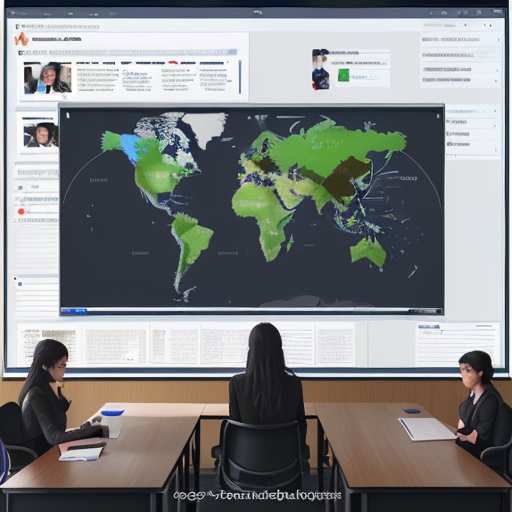
Virtual classrooms facilitate networking across borders, exposing students to diverse perspectives and global best practices. This international exposure broadens their horizons and prepares them for multinational roles. The asynchronous nature of online courses allows learners to engage with material at their own pace, reinforcing concepts through reflection rather than just attendance. Furthermore, digital platforms provide instant feedback on assignments, accelerating the learning curve. As technology improves, so does the fidelity of virtual experiences, making remote MBA programs increasingly indistinguishable from traditional campus-based education in terms of quality and outcome.

Future-Proofing Your Career Through Integrated Learning
Ultimately, the goal of these specialized MBA programs is to future-proof careers against the rapid pace of technological change. By integrating AI, data analytics, and soft skills into a cohesive curriculum, institutions ensure that graduates are not just ready for today’s market but prepared for tomorrow’s challenges. The synergy between technical proficiency and human insight creates a unique value proposition in the job market. Employers seek candidates who can leverage technology to solve problems while maintaining strong ethical standards and team cohesion.
As we look ahead, the definition of a business leader will continue to expand. Those who embrace continuous learning and adaptability will thrive. The digital divide is narrowing through accessible online education, democratizing access to high-level management training. This democratization ensures that talent is not limited by geography or background but by merit and dedication. For aspiring leaders, pursuing an MBA with these specialisations is a strategic investment in their professional longevity. It equips them with the tools to navigate uncertainty, drive innovation, and lead organizations through the complexities of the fourth industrial revolution.
In conclusion, the convergence of AI, data analytics, and soft skills within MBA specialisations represents a pivotal moment in business education. It signifies a commitment to producing leaders who are not only technically proficient but also ethically grounded and emotionally intelligent. As Industry 4.0 continues to reshape the global economy, these programs provide the necessary foundation for sustainable growth and innovation. Whether through traditional campuses or online platforms, the opportunity to acquire these skills is more accessible than ever. For anyone looking to advance their career in a digital-first world, this specialized knowledge is not just an advantage; it is a necessity.