

In the heart of West Africa, a silent crisis is unfolding that threatens to define the future trajectory of an entire nation. Liberia, often celebrated for its rich natural resources and resilient post-war recovery, faces a stark reality regarding digital connectivity. While the world moves forward with rapid technological integration, many Liberian students remain tethered to outdated educational models. The lack of reliable internet access is not merely a technical inconvenience; it is a systemic barrier that actively crushes the dreams of a generation eager to learn and grow. This digital divide creates an uneven playing field where geography dictates destiny, leaving rural communities far behind their urban counterparts in Monrovia. As global economies increasingly rely on digital literacy for employment and innovation, the inability to access online resources in Liberia risks perpetuating cycles of poverty and inequality that have plagued the country for decades.
The implications extend beyond simple connectivity issues. It is about access to information, the ability to compete in a globalized job market, and the preservation of educational equity. When a student in Nimba County cannot log into a virtual classroom while their peer in the capital city downloads high-definition lecture materials, the gap widens with every passing day. This article explores the multifaceted nature of this crisis, examining the infrastructure gaps, the economic barriers to entry, and the profound impact on teacher training and curriculum delivery. By understanding the depth of this divide, stakeholders can begin to formulate strategies that prioritize digital inclusion as a fundamental human right rather than a luxury commodity.
The Physical Reality of Connectivity in West Africa
The foundation of any digital ecosystem is physical infrastructure, and in Liberia, this foundation is crumbling under the weight of neglect and economic instability. Power grids are unreliable, with frequent outages disrupting even the most basic internet connections. In rural areas, where electricity is scarce or non-existent, the concept of a "connected classroom" becomes an impossibility without significant investment in renewable energy solutions. The cost of data remains prohibitively high relative to average household income, forcing families to choose between buying food and purchasing mobile airtime for their children’s education.

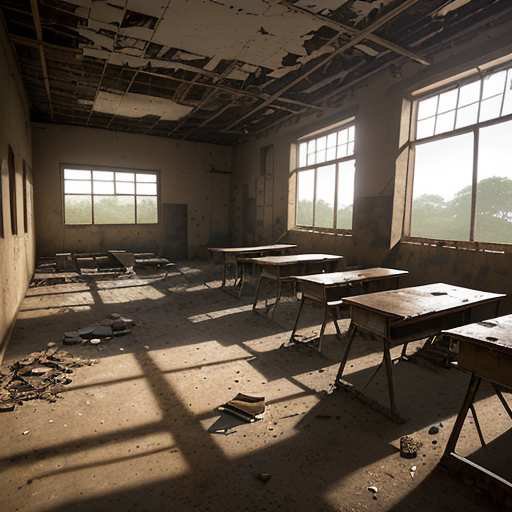
Beyond the physical classroom, the broader network infrastructure is insufficient to support high-speed broadband. Fiber optic cables are often damaged by flooding or lack of maintenance, while satellite connections remain expensive and slow. This physical disconnect means that even when a device is available, it cannot function effectively without a stable signal. The government has made promises to expand connectivity, but implementation lags behind the urgent needs of the population. Without addressing these foundational issues, any attempt to digitize education will fail, as the hardware cannot function in an environment devoid of power and network stability.
Educational Disparity and the Loss of Opportunity
The impact of this infrastructure gap is most visible in the classroom dynamics and learning outcomes. Teachers who are trained to use digital tools find themselves unable to utilize them effectively due to lack of access. This creates a disconnect between curriculum standards and actual delivery methods. Students miss out on interactive learning experiences, such as virtual field trips, online research projects, and collaborative assignments that foster critical thinking skills. Instead, education remains rote memorization based on static textbooks that may be outdated or unavailable in remote regions.

This disparity affects retention rates and academic performance significantly. Students who cannot complete online assignments fall behind their peers, leading to higher dropout rates among those from low-income backgrounds. The psychological toll is also significant; students feel isolated and left behind when they see classmates in other countries accessing global knowledge freely. This sense of exclusion can diminish motivation and ambition, causing talented individuals to abandon their studies or pursue vocational paths that offer immediate income rather than long-term career growth. The loss of opportunity is not just about grades; it is about the potential for innovation and leadership that goes unrealized due to a lack of digital access.
Economic Barriers and the Cost of Data
In Liberia, the cost of internet access represents a significant financial burden for families living on subsistence wages. Mobile data plans are often priced at rates that consume a disproportionate amount of monthly income. For a family earning a daily wage, spending money on data to complete homework or research is an impossible choice. This economic barrier ensures that only those who can afford it can participate in the digital economy. Consequently, wealthier families in urban centers secure better educational outcomes for their children, while poorer families are relegated to analog methods of learning.
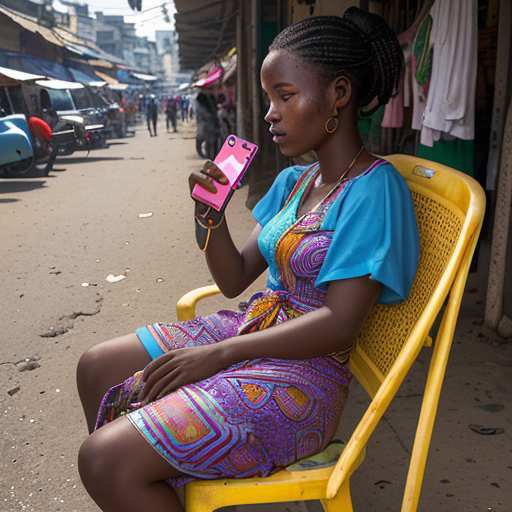
This economic divide reinforces existing social stratification. As businesses and industries shift towards digital platforms, those without access are effectively locked out of the workforce. Future employment opportunities increasingly require digital literacy, meaning that students who cannot develop these skills early on will face unemployment or underemployment in adulthood. The cycle continues as graduates enter a job market that demands skills they were never taught due to lack of resources. Breaking this cycle requires not just infrastructure investment but also economic policies that make data affordable and accessible to the poorest segments of society.
Teacher Training and Institutional Challenges
Even with improved infrastructure, the human element remains a critical bottleneck in bridging the digital divide. Many teachers in Liberia have received little to no training on how to integrate technology into their pedagogy. Professional development programs are often underfunded or inaccessible to educators in remote areas. Without proper training, even the best hardware will sit unused in classrooms. Institutional challenges include a lack of standardized curriculum that incorporates digital learning tools and insufficient administrative support for maintaining equipment.
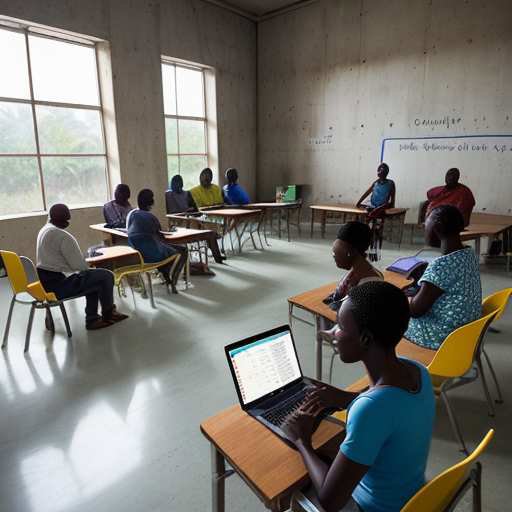
Institutional support is also hampered by bureaucratic inefficiencies and corruption that divert funds away from education projects. Resources meant for technology upgrades often disappear before reaching the intended beneficiaries. This lack of trust and transparency discourages private sector investment in educational technology. To truly solve this problem, there must be a concerted effort to train educators not just on how to use devices, but on how to leverage them to enhance learning outcomes. This includes training on cybersecurity, digital ethics, and online safety for minors.
Pathways to Bridging the Gap
Solving the digital divide in Liberia requires a multi-faceted approach involving government policy, private sector partnership, and community engagement. Public-private partnerships can help fund infrastructure projects that reduce costs for end-users. Governments must prioritize broadband expansion as a national security and economic development priority. International aid organizations should focus on sustainable solutions rather than temporary fixes. Community hubs equipped with solar power and shared devices can serve as access points for students who cannot afford personal devices at home.
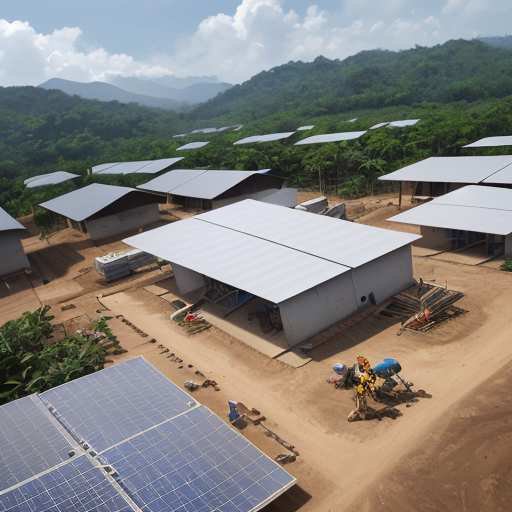
Education policy must evolve to reflect the digital reality of the modern world. Curricula should be updated to include coding, digital literacy, and media studies as core subjects. Funding models need to shift towards subsidies for low-income families to ensure equitable access. By addressing these pathways, Liberia can transform its education system into a driver of economic growth rather than a barrier to it. The goal is to create an inclusive environment where every child, regardless of location or income, has the opportunity to thrive in a digital world.
Conclusion
The crisis facing Liberian students due to the lack of internet access is urgent and demanding immediate attention. It is not merely a technical issue but a moral imperative to ensure that all children have equal opportunities to learn and succeed. The digital divide threatens to erase years of progress made in post-war recovery, leaving a generation ill-equipped for the future. By investing in infrastructure, training educators, and making data affordable, Liberia can reclaim its potential as a leader in West African innovation. The dreams of students are not being crushed by fate but by policy choices that can be changed today. It is time to close this gap and build a connected future where education empowers every citizen to contribute to the nation’s prosperity.