College is no longer a one‑size‑fits‑all experience. With the rise of artificial intelligence, students can now tailor every aspect of their academic life—from course selection to skill development—using hyper‑personalized AI advisors. These digital mentors analyze data from transcripts, learning styles, and even biometric signals to recommend pathways that align with individual goals. In this post, we’ll explore how AI advisors transform the traditional college model, the tools that make it possible, and practical steps to integrate them into your own campus journey.
1. The Foundations of Hyper‑Personalization in Education
Hyper‑personalization moves beyond generic recommendations by creating a learning ecosystem that adapts in real time to a student’s evolving needs. Unlike static curriculum maps, AI advisors continuously ingest data from multiple sources: enrollment history, assessment scores, engagement metrics, and even social media sentiment. By applying machine learning algorithms, the system identifies patterns—such as a sudden dip in motivation after a mid‑term—and proactively suggests interventions, like a micro‑learning module or a peer‑study group. This dynamic feedback loop ensures that the learning experience remains relevant, motivating, and efficient, ultimately leading to higher retention and graduation rates.

2. Building Your AI Advisor Profile
The first step to harnessing hyper‑personalized learning is creating a comprehensive AI advisor profile. Most universities now offer digital onboarding tools that ask about your academic interests, preferred learning modalities, and long‑term career aspirations. The AI then cross‑references this information with institutional data—such as course prerequisites, faculty expertise, and alumni outcomes—to generate a baseline learning plan. Importantly, the profile is not static; it evolves as you complete courses, receive feedback, and set new goals. By regularly updating your preferences and reflecting on your progress, you keep the AI advisor aligned with your current priorities.

3. Course Selection and Scheduling Optimized by AI
Choosing the right courses each semester can feel like navigating a maze. AI advisors simplify this by analyzing your academic trajectory, credit load preferences, and even campus event calendars. They generate multiple scheduling options that balance workload, avoid conflicts, and align with your skill gaps. For instance, if you’re aiming for a data science major, the AI might recommend a sequence that starts with foundational statistics, followed by machine learning, and then a capstone project—all while ensuring you meet graduation requirements. Additionally, the system can flag elective courses that complement your major, such as a creative writing class for a communications student, fostering interdisciplinary growth.

4. Real‑Time Skill Gap Analysis and Adaptive Learning Paths
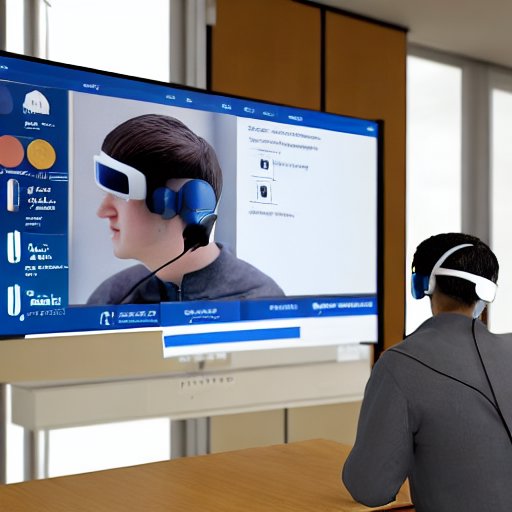
One of the most powerful features of hyper‑personalized learning is the ability to identify and address skill gaps in real time. AI advisors monitor your performance across assignments, quizzes, and projects, comparing it against competency benchmarks. If the system detects a weakness in, say, statistical inference, it can recommend targeted micro‑learning modules, peer‑mentoring sessions, or supplemental readings. Moreover, adaptive learning paths allow you to progress at a pace that suits your mastery level—accelerating through familiar material while spending extra time on challenging concepts. This individualized pacing reduces frustration, boosts confidence, and ensures that you build a solid foundation before tackling advanced topics.
5. Collaborative Learning and Peer Matching
Hyper‑personalized learning isn’t limited to individual pathways; it also enhances collaborative experiences. AI advisors can match you with peers who share complementary strengths, ensuring productive study groups or project teams. For example, if you excel in programming but struggle with communication, the AI might pair you with a teammate who has strong presentation skills. These matches are based on data such as past collaboration outcomes, personality traits, and even social network analysis. By fostering diverse, skill‑balanced teams, you gain exposure to different perspectives, improve problem‑solving abilities, and build a supportive academic community. The system also tracks group dynamics, offering suggestions to improve teamwork or re‑matching if a group isn’t functioning optimally.

6. Overcoming Challenges and Ethical Considerations
While AI advisors offer transformative benefits, they also raise concerns about data privacy, algorithmic bias, and student autonomy. Universities must implement robust data governance frameworks, ensuring that personal information is encrypted, access is limited, and students can opt out of certain data streams. Transparency is key: AI advisors should provide clear explanations for their recommendations, allowing students to understand the rationale behind each suggestion. Additionally, institutions should regularly audit algorithms for bias, ensuring that all students—regardless of background—receive equitable guidance. By addressing these challenges proactively, you can enjoy the full advantages of hyper‑personalization without compromising your values.
6. Conclusion: Taking Control of Your Academic Destiny
Hyper‑personalized AI advisors empower students to design a college experience that is as unique as their aspirations. From dynamic course scheduling to real‑time skill gap remediation, these digital mentors create a learning environment that is responsive, efficient, and deeply engaging. To start, build a detailed AI advisor profile, keep it updated, and let the system guide your course selections and study strategies. Embrace adaptive pacing, leverage peer matching, and stay mindful of ethical considerations. By doing so, you’ll not only navigate the complexities of higher education with confidence but also lay a solid foundation for a successful future beyond the campus gates.